
User journey mapping puts CHWs at heart of research process
In recent years, public health systems have placed greater emphasis on addressing the social drivers of health, including access to healthy foods, affordable housing, consistent transportation, and more. Community health workers (CHWs) play a key role in the effort to bridge clinical care with the social supports that improve people’s health. Yet, often, CHWs are left out of the planning process for the very programs they are charged with implementing. Without involving CHWs’ expertise upfront, programs and their operations do not always align with the realities of community-based work. To avoid this disconnect in their work, researchers from the Philadelphia Community Engagement Alliance (Philly CEAL) used the participatory research method of User Journey Mapping (UJM) to gather insights into CHWs’ daily experiences.
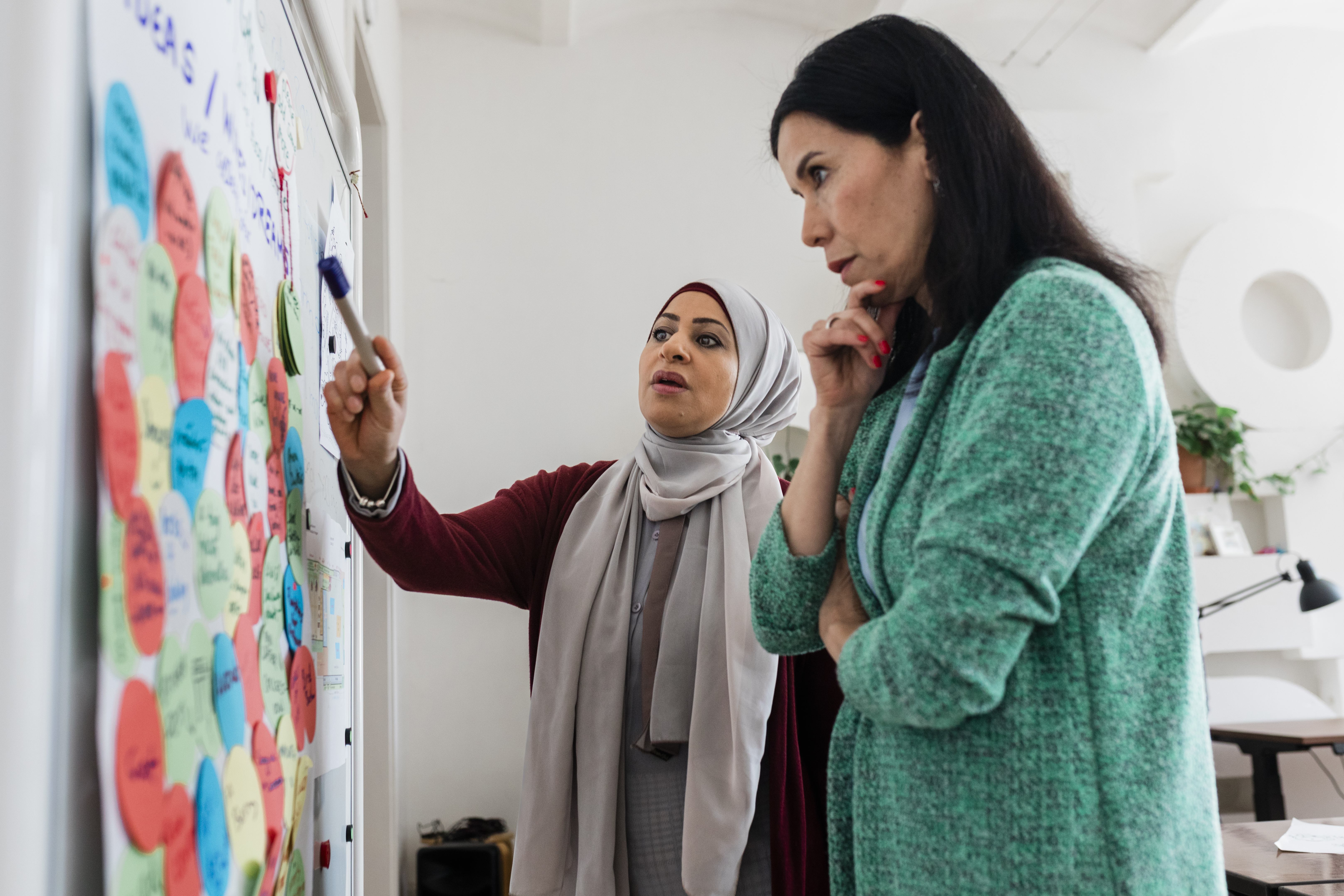
UJM is a way of studying a person’s experience within a system. It is useful for understanding not only what happens to a person, but also how they experience it emotionally. The Philly CEAL researchers worked with seven CHWs to walk through their day-to-day tasks and workflows, identifying pain points and opportunities. The researchers then synthesized the insights and worked with the CHWs to develop and refine a consolidated map that outlined key workflow processes and overarching themes.
The researchers’ findings
- CHWs’ daily tasks take place across three domains: community-based operations (i.e., community engagement); individual case management (i.e., core service delivery); and in-office responsibilities (i.e., documentation).
- Identified pain points include inflexible protocols and limited services and resources, as well as funding limitations.
- CHWs frequently face moral distress when their deep commitment to clients bumps up against system limitations. This moral conflict is compounded by a high risk of burnout.
- Yet CHWs also feel great pride and fulfillment from their work. They display a high level of skill in relationship- and trust-building and are adept at guiding their clients through complex systems.
The evidence-informed opportunities
- For the Philly CEAL team, the UJM process will help to ensure that the intervention it is testing is more responsive to the needs and the context of the CHWs implementing it.
- The team highlights UJM as an established method for those wishing to engage frontline care providers, like CHWs, as co-creators of interventions.
- UJM and similar approaches offer a promising way for research teams to center lived experience, paving the way for interventions that are more effective, more resonant, and ultimately more sustainable.
Last updated: October 27, 2026