
Putting Community Voices at the Center of Health Interventions
Melissa Ryan, M.S.H.Q.S., director of the Alabama CEAL Regional Team (AL CEAL) at the University of Alabama Heersink School of Medicine, will present findings at the upcoming APHA conference about AL CEAL’s efforts to adapt Food is Medicine and Exercise is Medicine programs for community settings across Alabama. In this interview, Ryan highlights the role of Community Health Working Groups (CHWGs) in guiding the work and ensuring that community voices remained central throughout the process.
Food is Medicine and Exercise is Medicine programs have shown promise in health care settings. Why was it important to adapt these approaches to community settings in Alabama?
Food is Medicine and Exercise is Medicine programs typically work one patient at a time through a clinic visit. In many Alabama neighborhoods, the biggest barriers to healthy eating and physical activity sit outside the clinic, such as limited access to fresh, affordable food, few safe places to be active, and uneven access to regular health care. A prescription only helps if people can act on it where they live.
We wanted to bring the evidence behind these approaches into the community itself, so the prescription comes from a trusted neighbor, links to local resources, and is supported by activities people can join close to home. That is why we took this work into 11 urban and rural communities across Birmingham, Selma, and Demopolis.
This AL CEAL project used CHWGs to guide the adaptation process. What are CHWGs, and how did they help ensure community voices were central to the work?
CHWGs are the main decision-making body for adapting and guiding the program. Each group brings together community residents, local organizations, AL CEAL investigators, and nutrition and physical activity experts.
Rather than asking residents to react to a finished product, CHWGs led the adaptation through a five-step co-development process that included assessing community needs and assets, choosing and adapting evidence-based strategies, reviewing communications for clear language, designing activities that help residents follow their prescriptions, and planning evaluation.
The CHWGs continue meeting once programming begins, building activity calendars and reviewing implementation data so community voices shape the work continuously, not just at the beginning.
Were there any insights or decisions from community partners that particularly influenced the final approach?
Several important design choices came directly from community members. CHWG members wanted the prescription to meet people where they are rather than read like a fixed directive, so the goals are fill-in-the-blank. A Community Health Coach and resident set targets together based on current habits and readiness.
Members also recognized that an accountability partner is a valued source of peer support. The prescription includes a place to name one, along with a simple monthly tracker.
Community members also choose which local resources to feature, so each of the 11 communities has its own version of the prescription connecting residents to parks, programs, and food resources. CHWGs also decide which activities to include, such as walking groups, chair yoga, line dancing, cooking demonstrations, and Mobile Market visits.
What advice would you offer to others looking to build authentic community–academic partnerships?
Be clear from the start about what cannot change and what the community decides. In our case, national nutrition and physical activity guidelines and study requirements approved by our review board and funder were set.
Community members decided how the program would look and run in their neighborhoods: how goals are written, which local resources are featured, and what activities happen, where, and when. Being upfront about those lines, and then giving real decision-making authority within them, is what lets scientific rigor and community ownership work together.
Build on organizations and leaders already doing the work and treat them as paid partners. Plan for relationships that move on community time, not grant-cycle time. When an institutional requirement limits what can be done, be honest and work out an alternative together.
What is a key message you hope public health professionals and community leaders take away from this work?
Implementing successful community-level Food is Medicine and Exercise is Medicine initiatives is possible. Communities do not have to choose between evidence-based programming and programming that feels like their own. When residents are involved throughout the process, the result is more relevant, more welcomed, and better positioned to last.
The CHWG model is a practical, replicable way to do that. Alabama CEAL is developing an Implementation Toolkit so other communities and academic partners can benefit from our learning. We would love to connect with anyone at APHA working on similar efforts.
Attend the AL CEAL presentation, A Community Health Working Group Model for Co-Developing Community-Level Food is Medicine and Exercise is Medicine Interventions: Lessons from Alabama CEAL,* on Monday, November 2, from 12:30-1:30 p.m. at APHA.
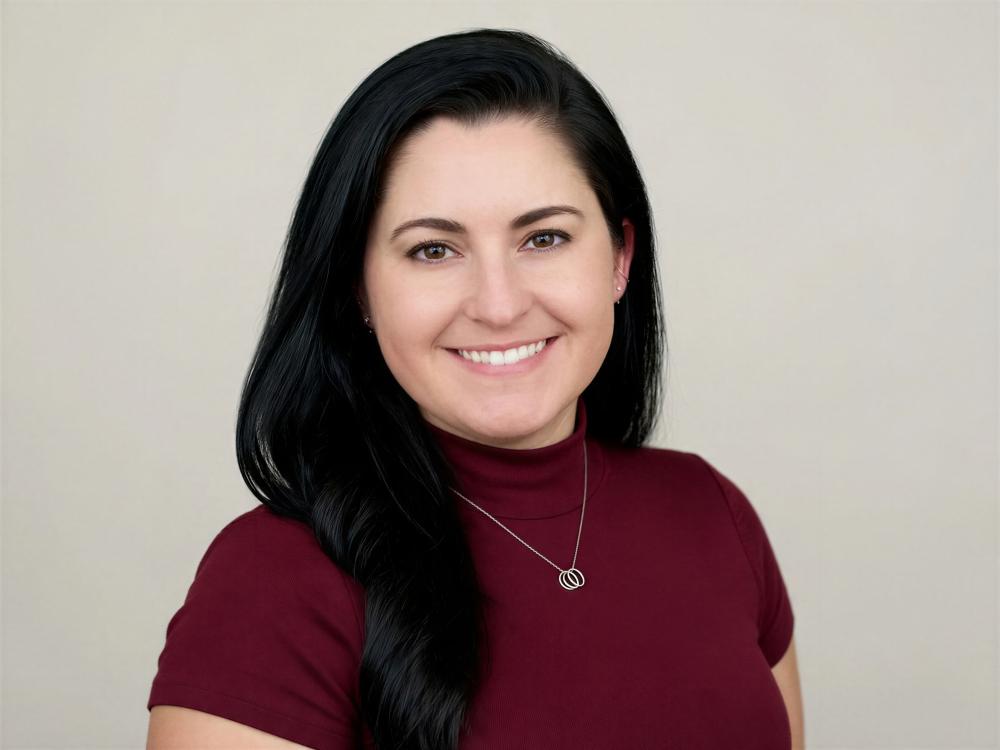
Melissa Ryan, M.S.H.Q.S.
Last updated: October 20, 2026