
Lessons From Rural Communities
Five Tips for Community-Based Organizations Engaging in Research
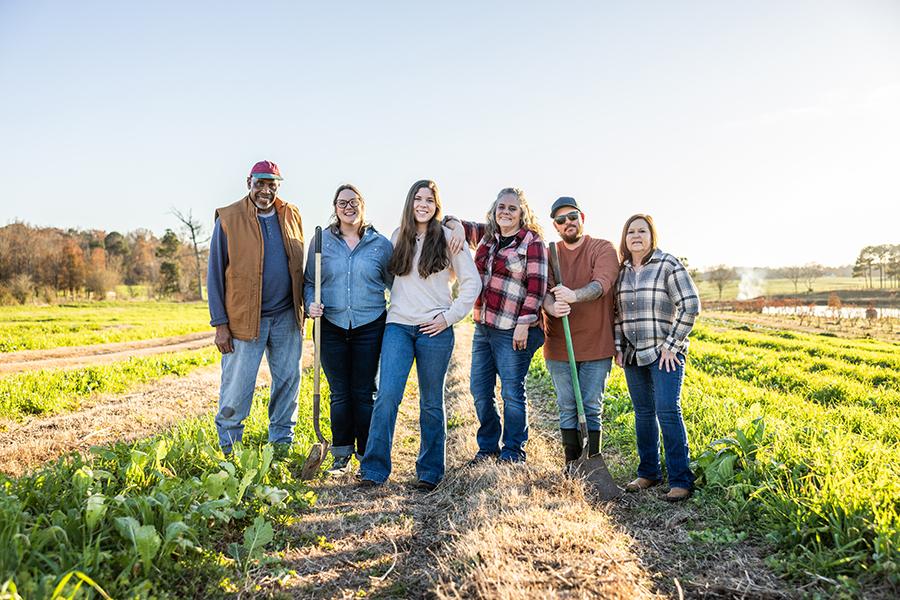
Rural communities across the United States have strong relationships, local leadership, and deep knowledge of what works in their own communities. Research efforts are most successful when they build on these existing strengths and are shaped by local priorities. Community-based organizations (CBOs) play an integral role in improving health in rural communities, where access to care, resources, and infrastructure can be challenging or limited. CBOs are often best positioned to identify needs, bridge gaps, and deliver meaningful and culturally relevant interventions and support.
Although the insights shared during this session reflect experiences working in rural communities, many of the principles discussed — such as trust-building, partnership development, and centering community knowledge — apply broadly to community-engaged research across settings.
Here are five tips that emerged from this peer-to-peer discussion to foster partnerships, strengthen impact, and improve health outcomes in rural communities.
1. Build Strong Community Networks
CBOs in rural communities build strong networks through trust, consistency, and mutual value. Because rural communities often have tight-knit social structures and limited institutional infrastructure, network-building is less about scale and more about depth, credibility, and relationships. When CBOs, health clinics, faith groups, schools, local leaders, and nontraditional partners, like local businesses and public libraries, work together, support reaches people more effectively. Gaps are also easier to identify and address with sustainable measures.
2. Balance Research Priorities and Community Needs
In rural communities, success isn’t just about how many programs are rolled out. It’s about whether those efforts actually make life healthier and easier for people over time. That means paying attention to real changes, like whether it’s easier to get care, whether services reflect what the community has said they need, and whether healthy behaviors are more likely to stick. It also means being honest when what researchers want to study doesn’t always align with what communities need at the time. The strongest approaches plan for both.
3. Center Local Knowledge and Lived Experience
Organizations that understand community members’ lived experiences build stronger, lasting partnerships and support better long-term health outcomes. Valuing local knowledge about factors that shape health decisions and access to resources builds trust with community members. This includes learning from community members through conversations and listening sessions, involving them in planning research activities, and providing compensation for their time and expertise.
4. Measuring What Matters Beyond the Numbers
Data are important, but numbers alone don’t tell the whole story in rural communities. To understand what’s really working, it helps to look beyond traditional metrics and include community feedback, how well partners are working together, and whether collaborations are making a meaningful difference. These insights show how health efforts are taking hold in real life and whether they are likely to last.
5. Plan for Sustainability
Reducing chronic disease takes longer than a single project/program funding cycle. In rural communities, where funding and staff are often limited, it’s critical to plan early for how programs and research activities will continue over time. Creating multiple funding streams, forging strong partnerships, and investing in local staff from the start help interventions last beyond the initial funding and increase the chances of long-term impact.
These tips highlight the importance of relationship-building, community-centered approaches, and sustainable strategies in advancing health in rural communities. CBOs can strengthen trust, maximize resources, and support lasting improvements in health outcomes by centering rural voices and lived experiences.
Acknowledgment: These tips were adapted from a Community Engagement Alliance (CEAL) Community-Based Organization (CBO) Community of Practice (CoP) Peer-to-Peer session titled “Roots, Relationships, and Research: Advancing Rural Health Through Community Engagement,” featuring speakers with deep expertise and lived experience advancing health in rural communities. Led by community health workers and CBOs partnering with CEAL, the CEAL CBO CoP fosters mutual trust, collaborative learning, and community-centered public health strategies, especially in communities most impacted by health differences. CBO CoP Peer-to-Peer Sessions are forums for community partners to share expertise, build capacity, and improve health through collaborative learning on a bimonthly basis.