Team highlights participatory research approaches to improve health in 5 communities
When it comes to identifying their health needs and suitable solutions, communities know best. That is why the Colorado CEAL Regional team is working collaboratively in five different communities across the state to determine the most pressing health concerns facing local residents and the most promising opportunities for change. Informed by these co-developed insights, the researchers and communities work together to develop the interventions and assess their outcomes. In a recent article, researchers on the team describe the community-based participatory research processes the group has used; specifically, group model building (GMB) and community/boot camp translation (BCT).
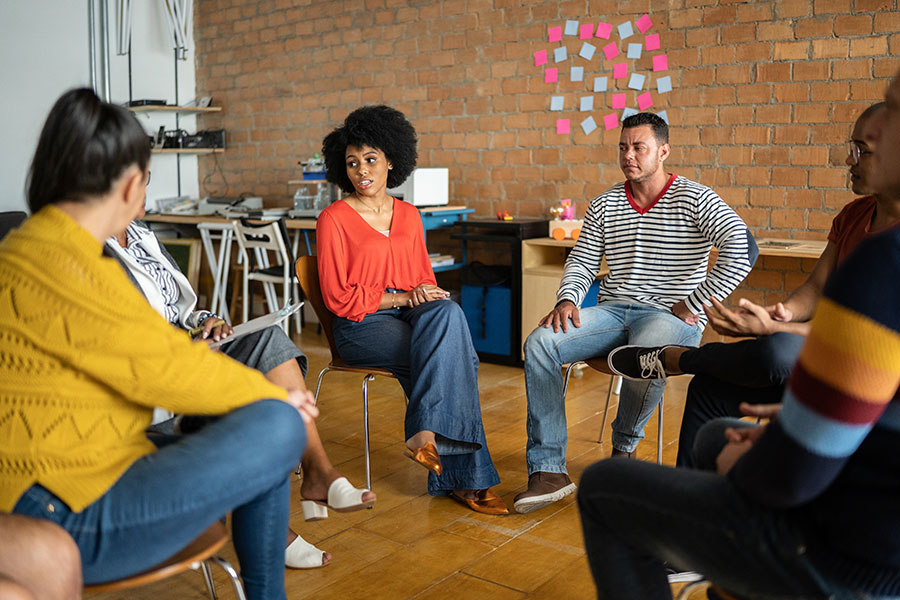
As an early stage in the research process, GMB was used in each of the five partnering areas. In the GMB phase, a group of people with lived experience representing different parts of the community convened in a process spanning 5 to 6 months. They worked to identify priority health concerns and develop a system map that explores the often-interrelated contributing factors that drive health differences. These workgroups also reviewed the evidence for specific interventions when choosing the main factors to address.
The next research phase involves developing new interventions or adapting existing ones to tackle the priority factors. For this, each community will use BCT. One main goal of this 6- to 9-month process is to determine which interventions will best help each community address its priority health concerns. With BCT, participants are co-equal research partners, driving the development of interventions and products that will most effectively speak to the intended users. These BCT teams will also work together to design the implementation and advise on assessment.
These and other phases of the work are being built through Community Connectors, trusted community members who serve as field leads and data collectors, head up study recruitment and retention efforts, and serve as primary points of contact.
The evidence-informed opportunities
- Through this work, the team seeks to uncover the most promising ways to impact and address the key factors behind community health differences in neighborhoods across the state.
- In doing so, the team is also uncovering insights into effective ways to translate medical and scientific knowledge into relevant, impactful interventions that will improve health outcomes, build community capacity, and engage community stakeholders.